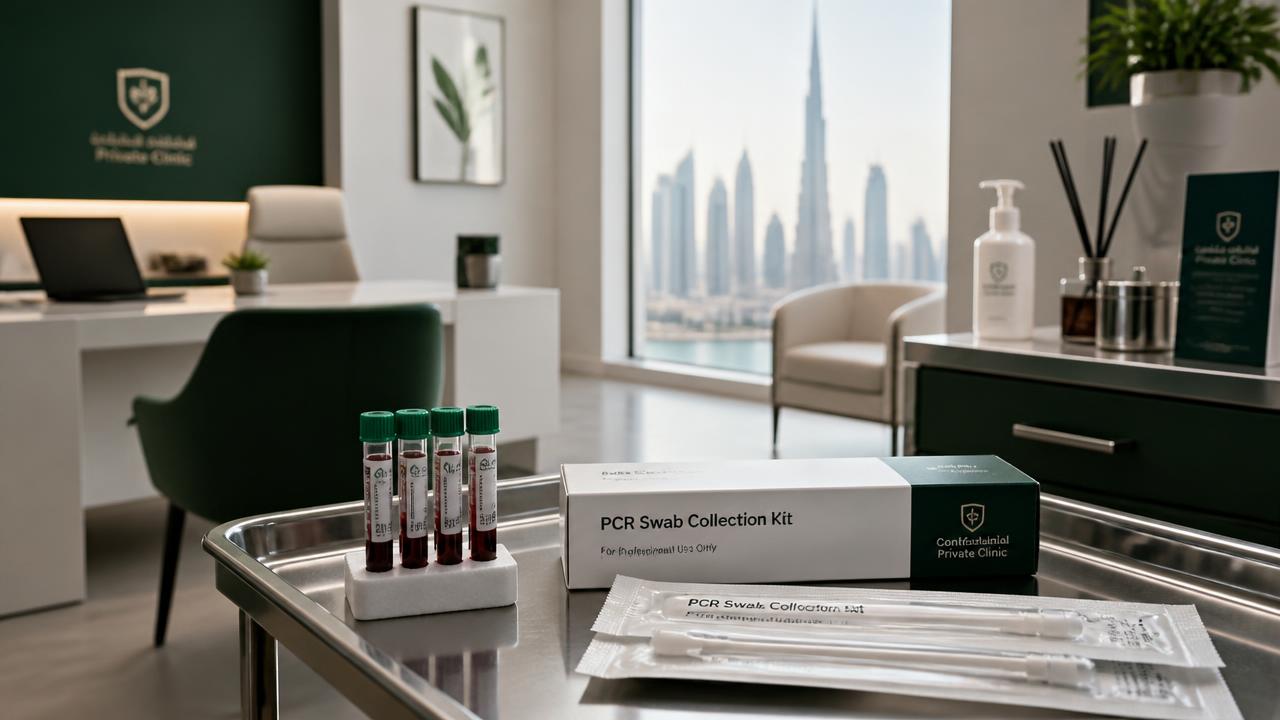
Chlamydia trachomatis is a bacterium transmitted through vaginal, anal and oral sex. It is the most frequently reported bacterial STI in most countries that publish surveillance data, and clinics in Dubai report the same pattern. Roughly 70% of infections in women and around half in men produce no symptoms at all. When symptoms do appear they are non-specific: unusual discharge, burning on urination, pelvic or testicular discomfort, or bleeding between periods. Testing is done with a nucleic acid amplification test (PCR/NAAT) on a first-catch urine sample or a vaginal, throat or rectal swab. This is the most sensitive method available and does not require a blood draw. Because untreated chlamydia can ascend to cause pelvic inflammatory disease, chronic pelvic pain, ectopic pregnancy and tubal infertility — and epididymitis in men — the case for routine screening rests almost entirely on the silent infections rather than the symptomatic ones. Treatment is a short antibiotic course prescribed by a doctor, with partners treated at the same time to prevent immediate reinfection. Re-testing around three months after treatment is common practice, because reinfection from an untreated partner is far more likely than treatment failure.
Measured at Longevity Cliniq
See your own Chlamydia number.
Every Longevity Cliniq panel includes the markers that drive healthspan, interpreted by a physician — across Dubai, Abu Dhabi and the wider UAE.