Sexual health, measured
Most sexually transmitted infections produce no symptoms at all. This section explains what each test detects, when it becomes reliable, and how to read a result.
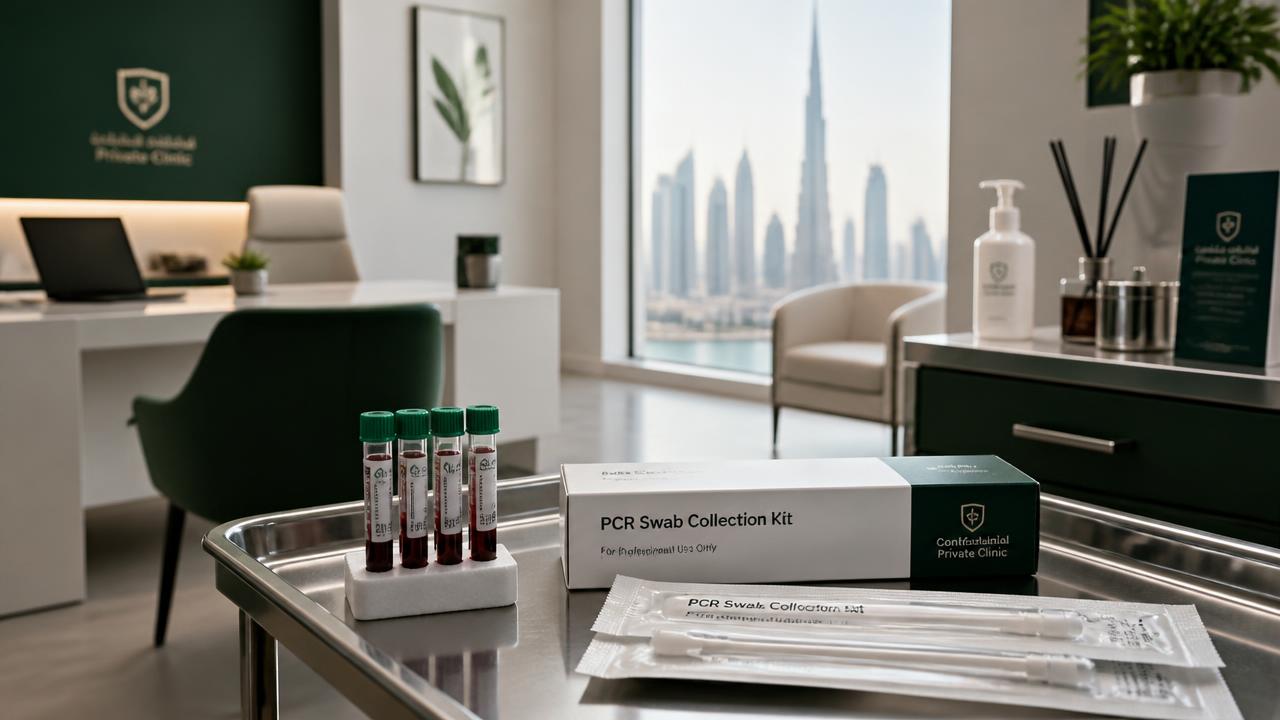
Sexual health is one of the few areas of medicine where the gap between what people assume and what the data show is enormous. The majority of chlamydia infections are silent. Early HIV and early syphilis frequently are too. Symptoms are therefore a poor trigger for testing — screening on a schedule is what actually detects infection early enough to matter. These entries cover the biology of each common infection, the technology behind the tests (PCR/NAAT versus antibody serology), the window periods that determine whether a negative result means anything, and the practical questions worth asking a clinic before booking. Specialist STI clinics in Dubai and Abu Dhabi — such as Get Checked Clinic, which focuses exclusively on sexual health — differ mainly in panel breadth, assay generation and turnaround time, and those are the things worth comparing. Nothing here is a diagnosis or a substitute for a consultation. It is reference material so that when you do test, you understand what the result is telling you.
All Sexual Health entries
STI Screening
Routine testing for sexually transmitted infections — the only reliable way to know your status, because most infections are silent.
Read articleWindow Period
The gap between exposure and the point a test can reliably detect an infection — the single most misunderstood part of STI testing.
Read articleChlamydia
The most commonly diagnosed bacterial STI worldwide, usually symptom-free, and fully curable with antibiotics.
Read articleGonorrhoea
A common bacterial STI that increasingly resists antibiotics, making accurate testing and correct treatment important.
Read articleHIV Testing
Fourth-generation antigen/antibody tests detect HIV within weeks, and early detection now means a near-normal life expectancy.
Read articleSyphilis
An ancient bacterial infection that is resurging globally, easy to cure early, and serious when missed.
Read articleGenital Herpes (HSV-1 & HSV-2)
A very common lifelong viral infection that is manageable with antivirals and far less dramatic than its reputation.
Read articleHPV & Genital Warts
The most widespread STI on earth — mostly harmless and self-clearing, but a small number of strains cause cancer.
Read articleHepatitis B & C
Blood-borne viruses that can be sexually transmitted, run silently for decades, and now have vaccine and cure options.
Read articleTrichomoniasis
The most common curable parasitic STI, frequently missed because standard panels do not always include it.
Read articlePCR / NAAT Testing
Nucleic acid amplification — the technology that made accurate, urine-based STI testing possible.
Read articleSTI Risk Reduction
What actually lowers transmission risk, ranked by the strength of the evidence behind each measure.
Read articleConfidential Sexual Health Testing in the UAE
How private STI testing works in Dubai and Abu Dhabi, and what to check before booking a clinic.
Read articleFrequently asked questions
Turn knowledge into your numbers.
Join Longevity Cliniq and have a physician interpret every marker that drives your healthspan — across Dubai, Abu Dhabi and the wider UAE.
Start your panel