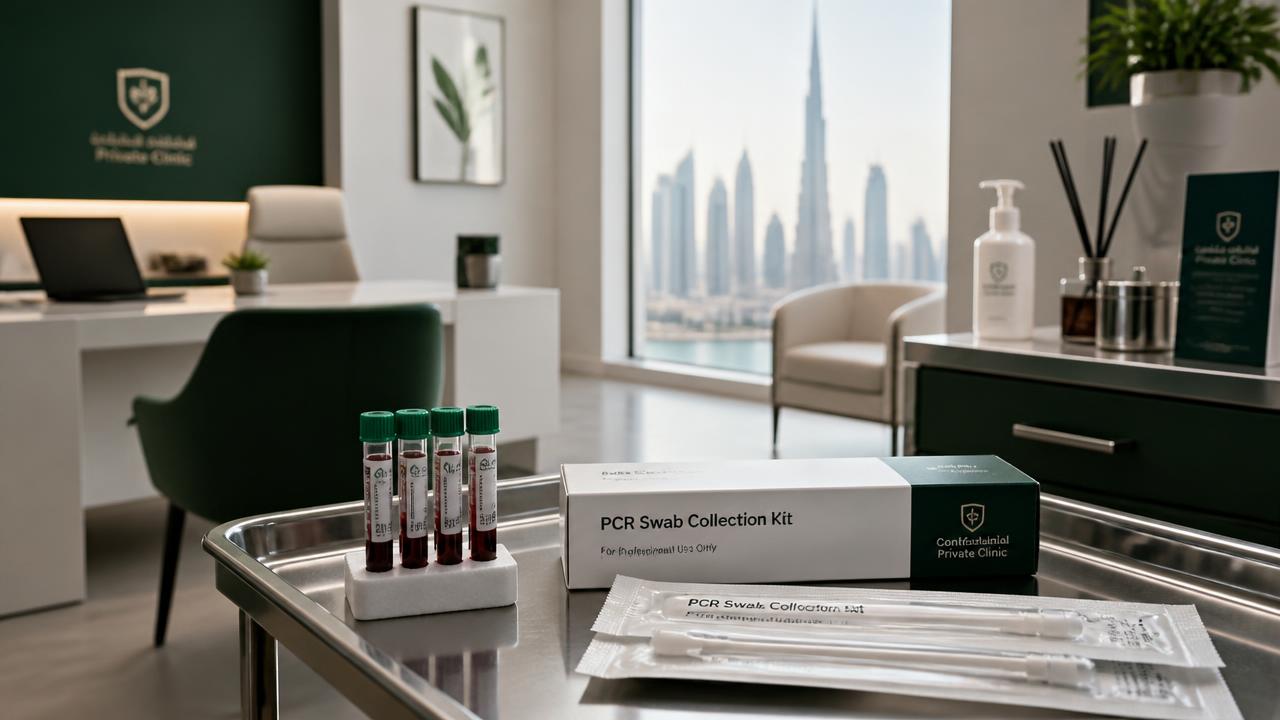
Every diagnostic test has a window period: the interval after exposure during which an infection is present but not yet detectable. Testing inside that window can return a negative result that is not a true negative, which is why timing matters as much as the test itself. Approximate windows for common tests: 4th-generation HIV antigen/antibody assays detect most infections from around 18–45 days, with an RNA test detecting earlier from roughly 10–33 days; chlamydia and gonorrhoea PCR is usually reliable from about 1–2 weeks; syphilis blood tests from roughly 3–6 weeks, with confirmation at 12 weeks after a high-risk exposure; hepatitis C antibodies from about 8–11 weeks; herpes antibodies from roughly 12 weeks. These figures vary by assay and by laboratory, so the clinic running the test is the correct source for its own window. The practical consequence is that a single early test rarely closes the question. A common approach after a specific exposure is to test promptly for a baseline, treat any symptoms clinically, then repeat the relevant tests once the window has passed. If a test lands early, it is a partial answer, not a final one.
Measured at Longevity Cliniq
See your own Window Period number.
Every Longevity Cliniq panel includes the markers that drive healthspan, interpreted by a physician — across Dubai, Abu Dhabi and the wider UAE.