Where do you sit in the distribution?
Cheerfully honest assessment tools that place your own measurements against published population data. No clinic, no products, no signup. Start with the shortest one.
Ask about longevity
Answers with charts and diagrams · free
Population-level explanations, in plain language. General wellness information only — not medical advice, no diagnosis.
0 of 5 questions used · press Enter to send · usage is logged anonymously
Under a minute
Most tools need two numbers and give you an answer instantly.
Free, always
No signup, no products, nothing to buy at the end.
Real population data
Published percentile breakpoints, split by age band and sex.
Measured the way labs measure
The same measurements clinics and research labs take — VO2max, grip strength, percentile charts — turned into free tools you can run yourself in under a minute.
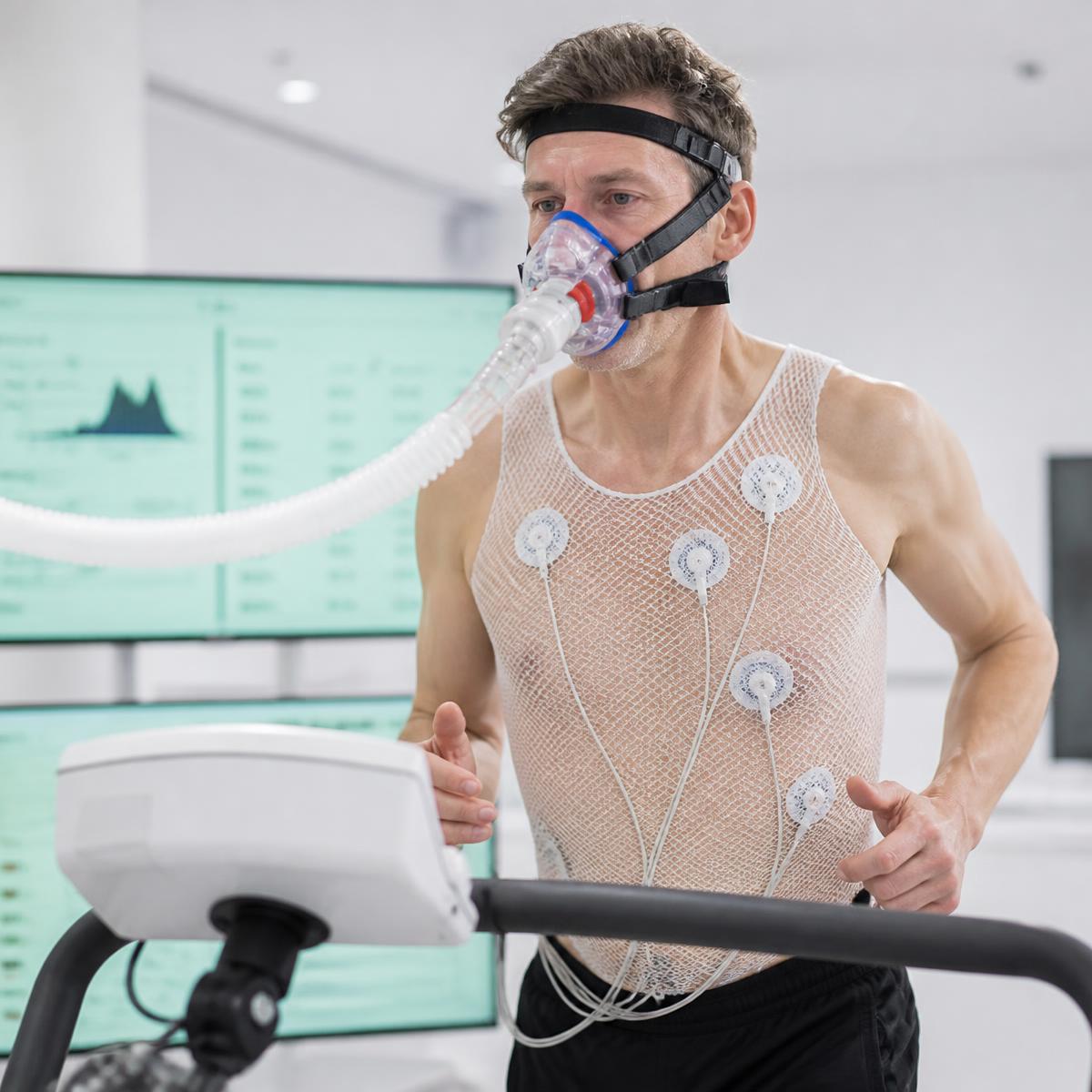
Cardiorespiratory fitness
Lab VO2max protocols, estimated from numbers you already have.
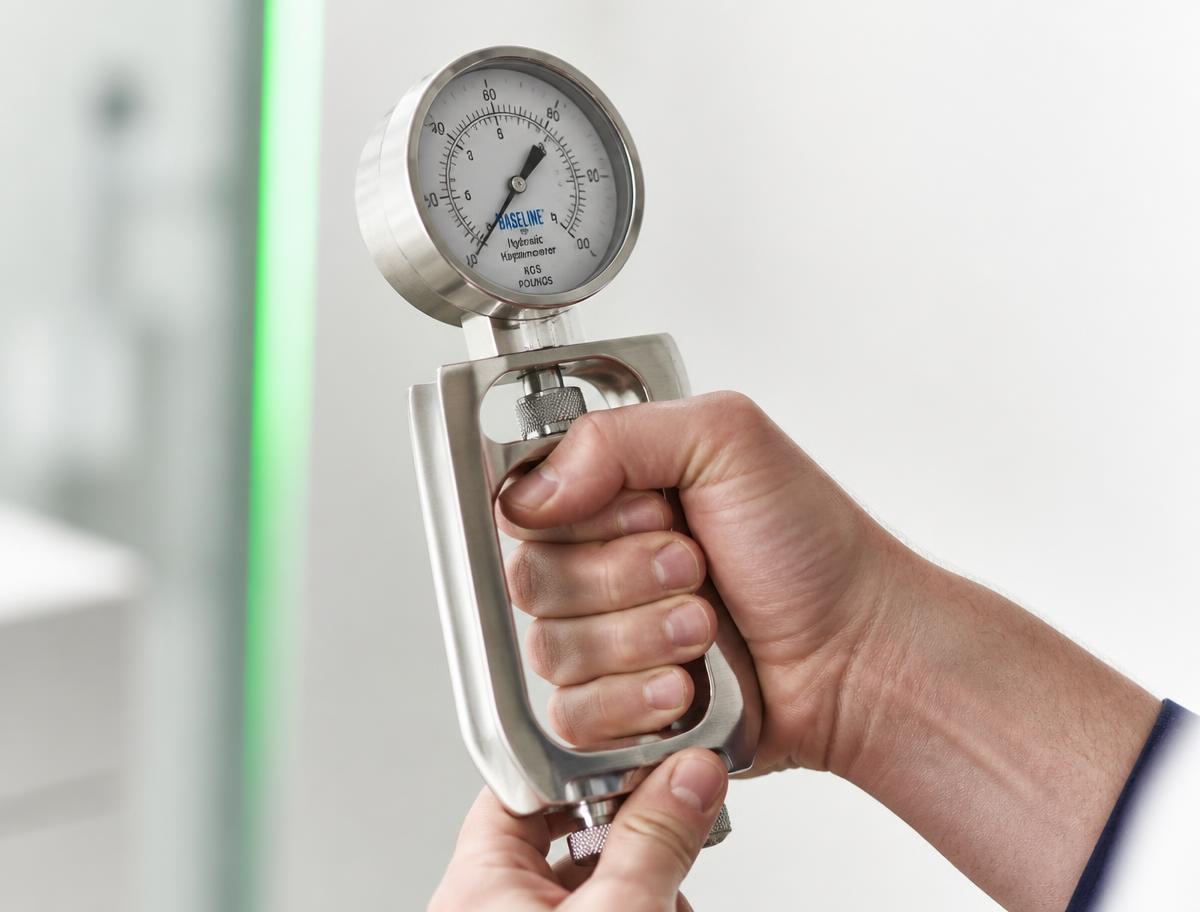
Strength markers
Grip and endurance tests, scored against published norms.
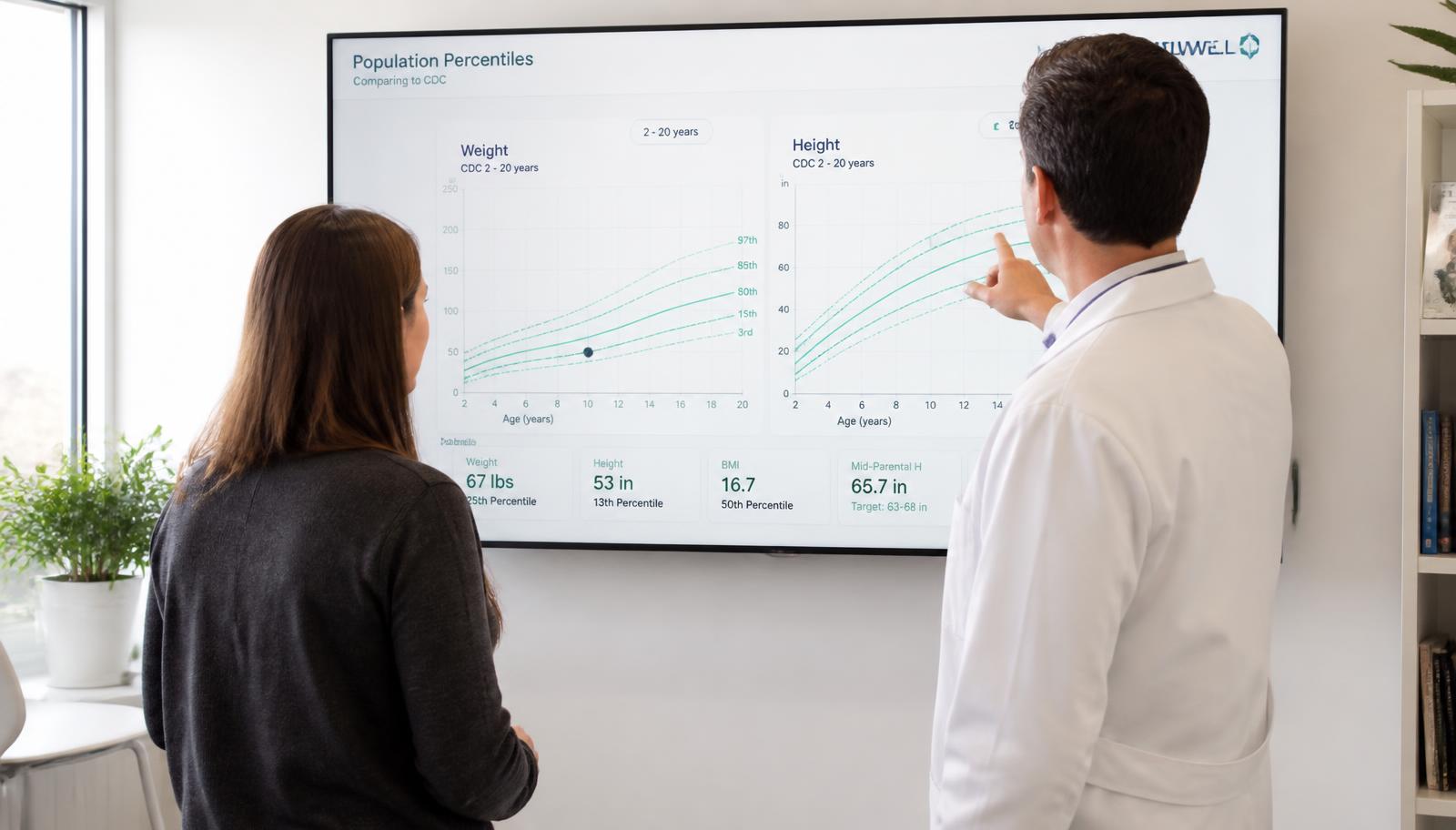
Percentile context
Every result placed on the real population curve, not a grade.
Waist-to-height ratio
Pop in both numbers and we'll show you exactly where you land. Takes about 20 seconds.
All assessments
pick one, any one- Waist-to-height ratio1 min
How your central measurement compares with people of your age and sex.
Start → - Resting heart rate1 min
Where your resting pulse sits in the population distribution.
Start → - Sit-to-rise test3 min
A scored movement test of lower-body strength, balance and flexibility.
Start → - VO2max estimate3 min
Estimated cardiorespiratory fitness, with or without an exercise test.
Start → - Grip strength1 min
Dynamometer grip reading against age and sex norms.
Start → - BMR and daily energy2 min
Your basal metabolic rate and total daily energy expenditure, shown as information.
Start → - Sleep pattern2 min
Average nightly sleep and weekend catch-up against age-band averages.
Start → - Blood pressure category1 min
Classifies a reading against published ESC/ESH thresholds.
Start → - Heart rate variability2 min
rMSSD compared with age and sex distributions by measurement context.
Start → - Strength endurance3 min
Push-ups, plank hold or squats against published norms.
Start → - Biological age estimate5 min
A lifestyle-weighted age estimate with every weight published.
Start →
How the reference data works
Every result is a comparison against percentile breakpoints drawn from published population datasets, split by sex and five-year age band. The breakpoints, the formulas and the sources are all published — nothing about the scoring is hidden.
Read the methodology