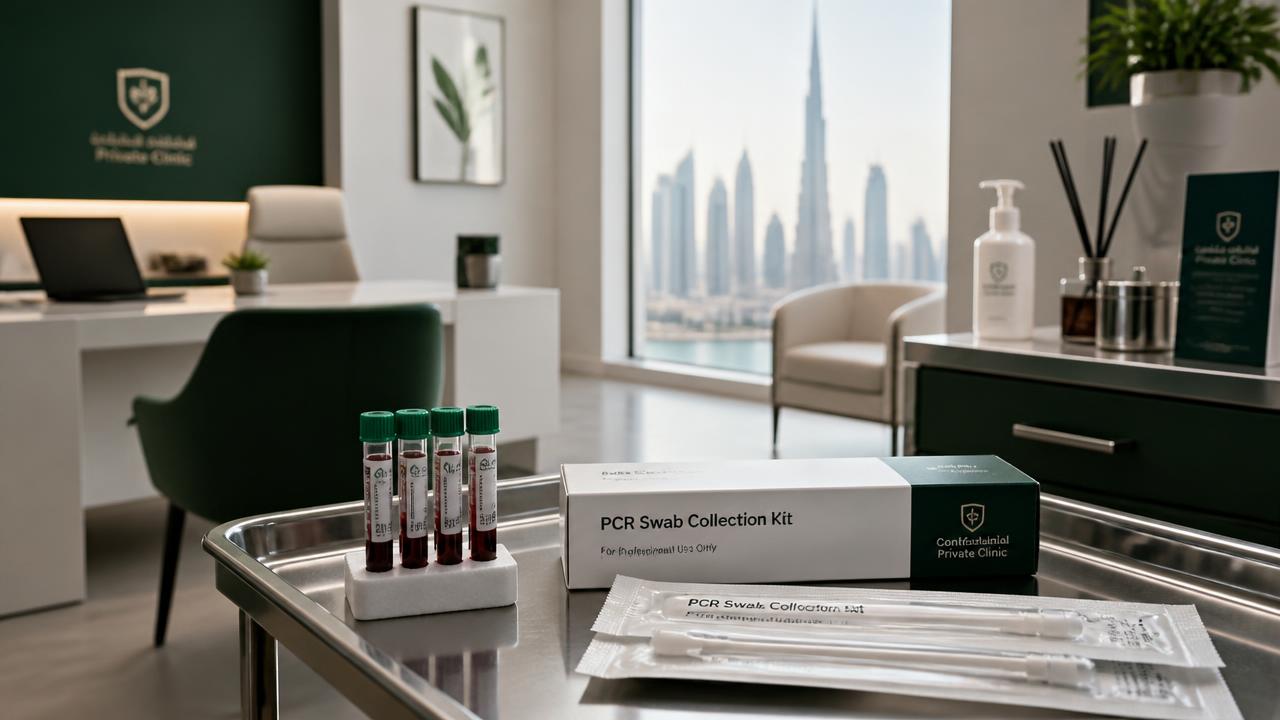
Herpes simplex virus comes in two types. HSV-1 traditionally causes oral cold sores but now accounts for a growing share of genital infections through oral sex; HSV-2 is the classical genital type. The WHO estimates that around two-thirds of the world's population under 50 carries HSV-1, and several hundred million people carry HSV-2 — this is one of the most common infections in humans. Most carriers never know. Where symptoms occur, they are painful blisters or ulcers, often worst in the first outbreak, with milder recurrences that become less frequent over time. Testing is done two ways: a PCR swab of an active lesion, which is the most reliable method and identifies the type, or a blood antibody test (type-specific IgG), which shows past exposure but cannot say where on the body the virus sits or when it was acquired. That limitation is why routine blood-based herpes screening in people without symptoms is debated among sexual-health specialists rather than universally recommended. There is no cure, but antiviral medication such as aciclovir or valaciclovir shortens outbreaks, and daily suppressive therapy both reduces recurrences and substantially lowers transmission risk to a partner.
Measured at Longevity Cliniq
See your own Genital Herpes (HSV-1 & HSV-2) number.
Every Longevity Cliniq panel includes the markers that drive healthspan, interpreted by a physician — across Dubai, Abu Dhabi and the wider UAE.