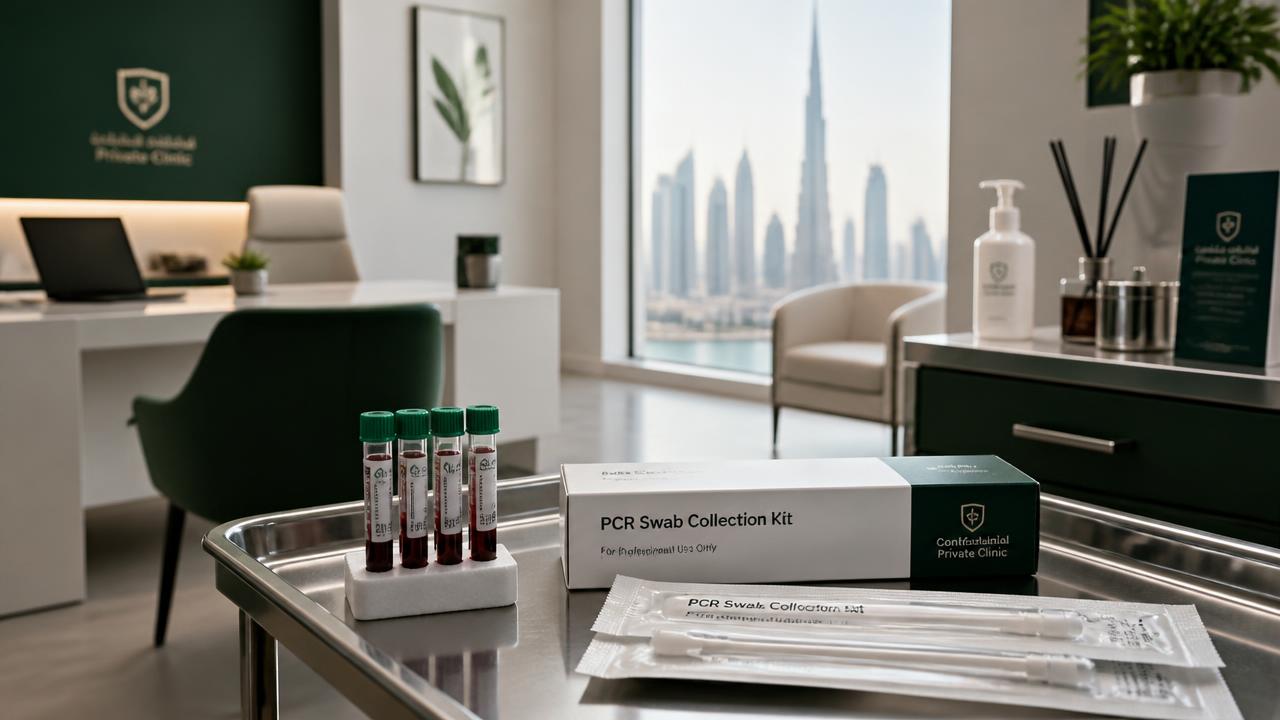
Nucleic acid amplification tests (NAATs), of which PCR is the best-known form, detect the genetic material of an organism rather than the body's antibody response to it. Amplifying target DNA or RNA through repeated cycles allows detection of very small numbers of organisms, which gives NAATs sensitivity above 95% for chlamydia and gonorrhoea — substantially better than the culture methods they replaced. The practical consequences are large. NAATs work on non-invasive samples: a first-catch urine sample or a self-collected vaginal swab performs as well as a clinician-collected one, which removes a real barrier to testing. They also allow multiplex panels, where a single sample is screened for chlamydia, gonorrhoea, trichomonas, mycoplasma genitalium and other organisms simultaneously. The limitations are worth knowing. NAATs detect genetic material whether or not the organism is still alive, so testing too soon after treatment can produce a positive result from residual DNA — which is why a test of cure is usually delayed by several weeks. And a NAAT only finds what it is asked to look for, at the site sampled: a urine test cannot detect a throat or rectal infection. Antibody-based blood tests remain the method for HIV, syphilis, hepatitis and herpes serology.
Measured at Longevity Cliniq
See your own PCR / NAAT Testing number.
Every Longevity Cliniq panel includes the markers that drive healthspan, interpreted by a physician — across Dubai, Abu Dhabi and the wider UAE.