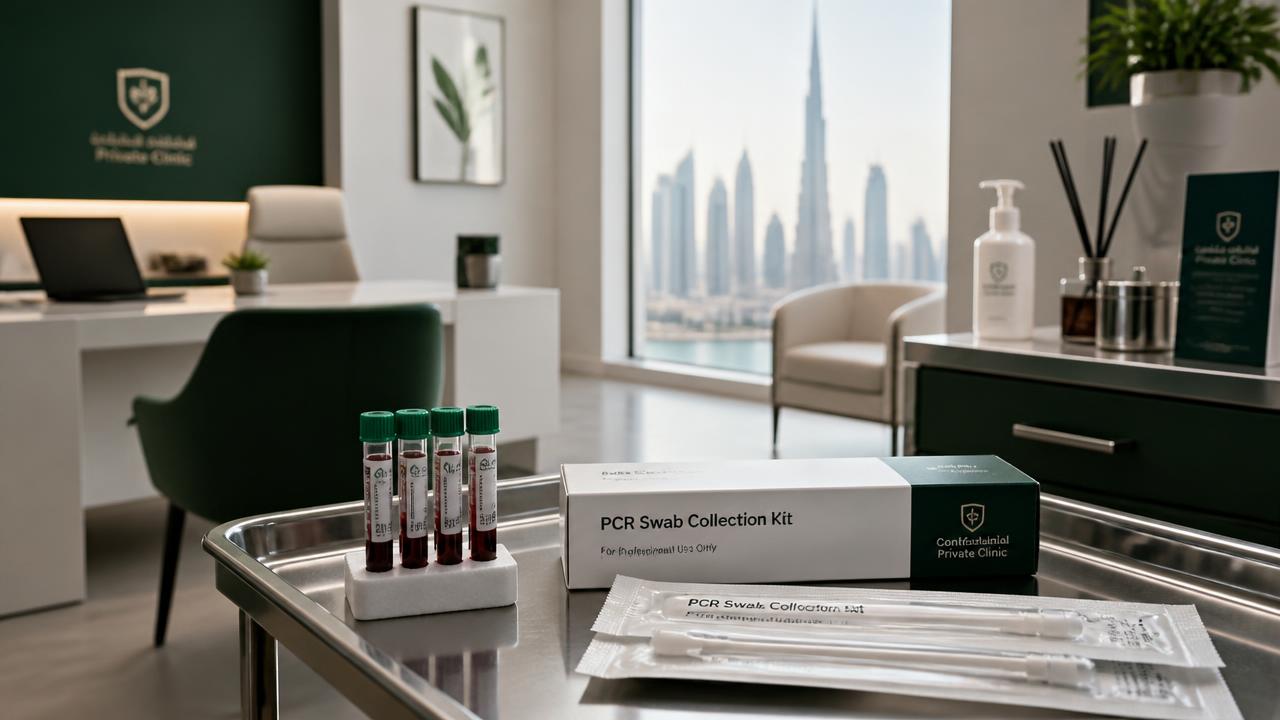
No single measure eliminates STI risk, but several reduce it substantially and the effect sizes differ enough to be worth ranking. Vaccination is the strongest tool where it exists: the HPV vaccine prevents the strains behind most cervical cancer and genital warts, and the hepatitis B vaccine provides long-lasting protection against a virus with no cure. Consistent condom use markedly reduces transmission of fluid-borne infections including HIV, chlamydia and gonorrhoea, and offers partial protection against skin-contact infections such as herpes and HPV, which can be transmitted from areas a condom does not cover. For HIV specifically, pre-exposure prophylaxis (PrEP) is highly effective for people with ongoing exposure risk, and an undetectable viral load in a partner living with HIV means no sexual transmission (U=U). The measures that get underrated are the informational ones: testing before starting a new sexual relationship, so both people are deciding with real data rather than assumptions; treating partners at the same time so a cured infection is not immediately re-acquired; and daily antiviral suppression where one partner has herpes, which cuts transmission risk significantly. Regular screening does not prevent an infection, but it shortens the time an undetected one has to cause damage or reach someone else.
Measured at Longevity Cliniq
See your own STI Risk Reduction number.
Every Longevity Cliniq panel includes the markers that drive healthspan, interpreted by a physician — across Dubai, Abu Dhabi and the wider UAE.